
Best Solar Generator for Nigerian Homes in 2026 — Complete Buying Guide
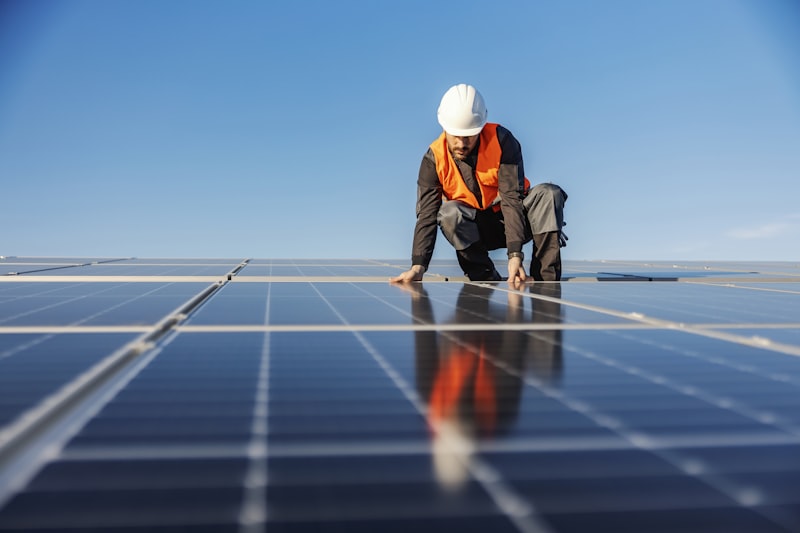
Looking for the best solar generator for your Nigerian home? We compare top brands, sizes, and prices to help you make the right choice for reliable backup power during NEPA outages. From budget-friendly 200Wh units to whole-home 2000Wh+ power stations.
Why Every Nigerian Home Needs a Solar Generator in 2026
If you live in Nigeria, you already know the struggle. NEPA takes light without warning — sometimes for hours, sometimes for days. Your fuel generator drinks petrol at ₦1,200 per litre, spews fumes, and wakes up the entire neighborhood at 2 AM. A solar generator solves all of these problems: free energy from the sun, completely silent operation, zero fuel costs, zero fumes, and reliable backup power whenever you need it.
The math is undeniable. A typical 3kVA fuel generator running 6 hours daily burns about 6 litres of petrol — that's ₦7,200 daily, ₦216,000 monthly, and a staggering ₦2,592,000 annually. A quality 1kWh solar generator with a 200W solar panel costs ₦400,000–₦800,000 as a one-time purchase. It pays for itself in 2–4 months. After that, every watt is free.
But with dozens of options flooding the Nigerian market — from ₦80,000 "portable power banks" on Jumia to ₦2,000,000 Bluetti and EcoFlow units — choosing the right solar generator can be overwhelming. This guide will help you make the right choice for your budget, your power needs, and your home.
What Size Solar Generator Do You Need for a Nigerian Home?
The single most important question when buying a solar generator is: what do you actually want to power? Buy too small and you'll be frustrated when it can't run your fridge. Buy too big and you're wasting money on capacity you'll never use. Here's our guide based on typical Nigerian household setups:
Basic Essentials Setup (200Wh – 500Wh) — ₦80,000 – ₦250,000
Best for: Self-contain apartments, students, single rooms.
Powers: 2–4 LED bulbs, phone charging (multiple devices), 1–2 laptops, small standing fan, WiFi router/modem.
Runtime: 4–8 hours on basic loads. Recharges from the wall in 3–5 hours or from a 100W solar panel in 5–8 hours of Nigerian sunlight.
Our Pick: EcoFlow River 2 (256Wh, ₦320,000) — charges 0-100% in just 1 hour, LiFePO4 battery rated for 3000+ cycles, pure sine wave output. Perfect for apartment dwellers in Lagos, Abuja, and Port Harcourt.
Medium Family Setup (500Wh – 1000Wh) — ₦250,000 – ₦600,000
Best for: 2–3 bedroom flats, small families.
Powers: 32-43" TV, 2–3 standing fans, multiple LED bulbs, laptop, phones, WiFi, and a small fridge or freezer for 2–4 hours.
Runtime: 6–10 hours on mixed loads. Recharges from the wall in 4–6 hours or from a 200W solar panel in 4–6 hours.
Our Pick: Generic Advanced LUTIAN LE1000-B (960Wh, ₦540,000) — 1000W AC output, 800W MPPT solar charging, built-in LED emergency light, advanced BMS protection system. Excellent value for Nigerian families.
Large Family Setup (1000Wh – 2000Wh) — ₦600,000 – ₦1,200,000
Best for: 3–4 bedroom homes, families with higher power demands.
Powers: Large fridge/freezer, 43-55" TV, multiple fans, gaming console, laptops, all lights, WiFi, and small appliances like a blender or microwave.
Runtime: 8–14 hours on mixed loads. Can keep essential appliances running through most NEPA outages.
Our Pick: Bluetti AC180 (1152Wh, ₦850,000) — 1800W pure sine wave output handles almost any home appliance, expandable with extra batteries, UPS mode for automatic switchover during outages.
Whole Home / Small Business Setup (2000Wh+) — ₦1,200,000+
Best for: Large homes wanting minimal lifestyle disruption, home offices, small businesses, clinics.
Powers: Multiple fridges/freezers, TVs, computers, medical equipment, power tools, security systems.
Runtime: 12–24+ hours. Can be paired with multiple solar panels for continuous off-grid operation.
Our Pick: EcoFlow Delta 2 Max (2048Wh expandable to 6kWh, ₦1,650,000) — the gold standard for whole-home backup. Charges to 80% in 65 minutes, expandable battery ecosystem, app-controlled.
5 Critical Features to Check Before Buying a Solar Generator in Nigeria
Don't just look at the price tag. These five features determine whether your solar generator will serve you for years or become an expensive paperweight:
- Battery Chemistry — Always Choose LiFePO4: Lithium Iron Phosphate (LiFePO4) batteries last 4-5x longer than traditional lead-acid (3,000–5,000 cycles vs 500–800). They're safer, lighter, and maintain capacity better in Nigeria's heat. Never buy a solar generator with a lead-acid battery in 2026.
- Pure Sine Wave Output — Non-Negotiable: Your TV, laptop, fridge, and fan motors all expect clean AC power identical to NEPA. Modified sine wave inverters — found in many cheap units — cause motors to run hot, create buzzing sounds in your TV, and can permanently damage sensitive electronics. The ₦30,000–₦80,000 you save on modified sine wave will cost you far more in ruined appliances.
- MPPT Solar Charge Controller — Get 30% More Power: MPPT (Maximum Power Point Tracking) controllers extract 20–30% more power from your solar panels compared to cheaper PWM controllers. In Nigeria's strong, consistent sunlight, this difference is dramatic. A 200W panel with MPPT can deliver the same charging speed as a 260W panel with PWM. Always choose MPPT.
- UPS / Passthrough Mode — Automatic Backup: The best solar generators work as a UPS — when NEPA is on, the generator passes power through to your devices while charging its battery. When NEPA cuts, it switches to battery in under 20 milliseconds (faster than most dedicated UPS units). Your devices never know the power went out. This is the killer feature that replaces both your generator AND your UPS.
- Port Variety — Nigerian Plugs Matter: Make sure the generator has at least one UK-style 3-pin socket (the Nigerian standard). Look for USB-A ports for phones, USB-C Power Delivery for modern laptops, and a 12V car port for versatility. Bonus: wireless charging pad for your phone.
Solar Generator vs Fuel Generator — The Real Cost Comparison for Nigeria
Let's do the math for a typical Nigerian home experiencing 6 hours of daily outage — a conservative estimate for many areas:
| Factor | Fuel Generator (3kVA) | Solar Generator (1kWh + 200W panel) |
|---|---|---|
| Purchase Cost | ₦250,000 – ₦400,000 | ₦500,000 – ₦800,000 (one-time) |
| Daily Fuel Cost | ₦7,200 (6 litres at ₦1,200/L) | ₦0 |
| Monthly Fuel Cost | ₦216,000 | ₦0 |
| Annual Fuel Cost | ₦2,592,000 | ₦0 |
| Maintenance (Annual) | ₦50,000 – ₦100,000 (oil, plugs, servicing) | ₦0 |
| Noise Level | 65–75 dB (loud conversation) | 0 dB (silent) |
| Fumes / Indoor Use | Deadly — outdoor only | Safe — use anywhere indoors |
| Lifespan | 2–4 years with heavy use | 10+ years (LiFePO4 battery) |
| 5-Year Total Cost | ₦13,000,000+ | ₦500,000 – ₦800,000 |
The bottom line: A solar generator pays for itself within 2–4 months. Over 5 years, you save over ₦12,000,000 compared to running a fuel generator. And that's before accounting for the peace and quiet, clean air, and the freedom from queuing at filling stations during fuel scarcity.
Frequently Asked Questions About Solar Generators in Nigeria
Can a solar generator power a fridge in Nigeria?
Yes — but you need sufficient capacity. A typical Nigerian fridge (150–200L) draws 100–200W when running and 800–1200W at startup. You need a solar generator rated at least 1000W continuous with 2000W surge to handle the compressor's startup spike. For running a fridge overnight, you'll want at least 1000Wh of battery capacity. The Bluetti AC180 and EcoFlow Delta 2 handle this easily.
How long does a solar generator last on a full charge?
It depends on what you're powering. A 1000Wh unit can run a 32" LED TV (50W) for about 20 hours, a standing fan (40W) for 25 hours, or charge a smartphone (10Wh) about 100 times. Use this formula: Battery capacity (Wh) ÷ total device wattage = runtime in hours. Add 10–15% for inverter efficiency loss.
Can I use a solar generator while it's charging?
Yes — if it supports passthrough/UPS mode. Most quality units from EcoFlow, Bluetti, and Jackery support this. The generator charges from NEPA (or solar) while simultaneously powering your devices. When NEPA cuts, it switches to battery in milliseconds. Always verify passthrough support before buying.
How many solar panels do I need for my generator?
Most portable solar generators support 100W–500W of solar input. A single 200W monocrystalline panel is sufficient for most Nigerian homes with 5–6 hours of strong daily sunlight. Pair it with an MPPT charge controller for maximum efficiency. Check your generator's maximum solar input voltage before buying panels.
Is it safe to buy a solar generator online in Nigeria?
Yes — when you buy from a trusted Nigerian retailer like Buy Solar Generators. We offer Paystack-secured payments (debit card, bank transfer, USSD), nationwide delivery to all 36 states, full manufacturer warranty on every product, and a 7-day return policy. Never buy from unverified sellers on social media.
Ready to power your home with the sun? Browse our complete solar generator collection — from compact 200Wh units to whole-home 2000Wh+ power stations. Free delivery on orders over ₦100,000.
Related Articles
How Much Does It Cost to Install Solar Panels in Nigeria? (2026 Price Breakdown)
Complete 2026 breakdown of solar panel installation costs in Nigeria — from ₦300,000 apartment setups to ₦5,000,000+ full home systems. Real prices for panels, inverters, batteries, and professional installation.